

What is RDF/SFR/RPF Pellet or Briquettes?
RDF/SFR/RPF pellets and briquettes are all related to waste management and renewable energy. While they share some similarities, they also have distinct characteristics:
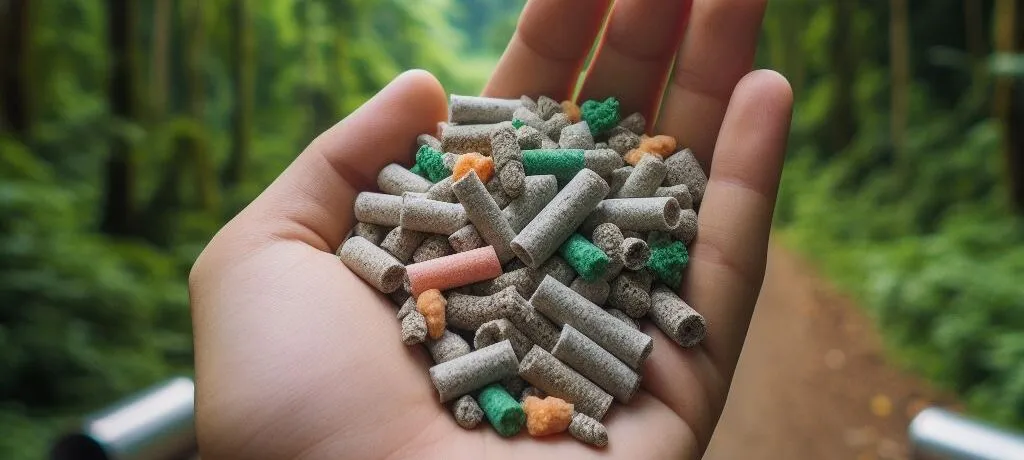
RDF:
- Stands for Refuse Derived Fuel.
- Made from processed municipal solid waste (MSW) such as plastic, paper, textiles, and wood.
- Processed by removing non-combustible materials like metal and glass.
- Can be compressed into pellets or briquettes for easier handling and transportation.
- Used as a fuel source in power plants, cement kilns, and other industrial applications.
SFR:
- Stands for Solid Fuel Recovered.
- Similar to RDF, but with a higher calorific value due to further processing and separation of combustible materials.
- Comprises mainly of paper, plastic, and wood waste.
- Used primarily in industrial boilers and power plants.
RPF:
- Stands for Refuse Paper Fuel.
- Specifically made from processed paper waste.
- Has a higher energy density compared to RDF and SFR.
- Used in power plants and industrial boilers, often blended with other fuels.
Pellets and Briquettes:
- Both are compressed forms of fuel made from various materials, including RDF, SFR, and RPF.
- Pellets: Smaller and cylindrical in shape.
- Briquettes: Larger and can be various shapes like cubes or logs.
- Both offer benefits like improved storage, handling, and burning efficiency compared to loose waste material.
In summary:
- All three (RDF, SFR, RPF) are fuels derived from processed waste.
- They differ in their composition and processing methods, leading to varying calorific values.
- They can be compressed into pellets or briquettes for improved handling and use.
Tags: