
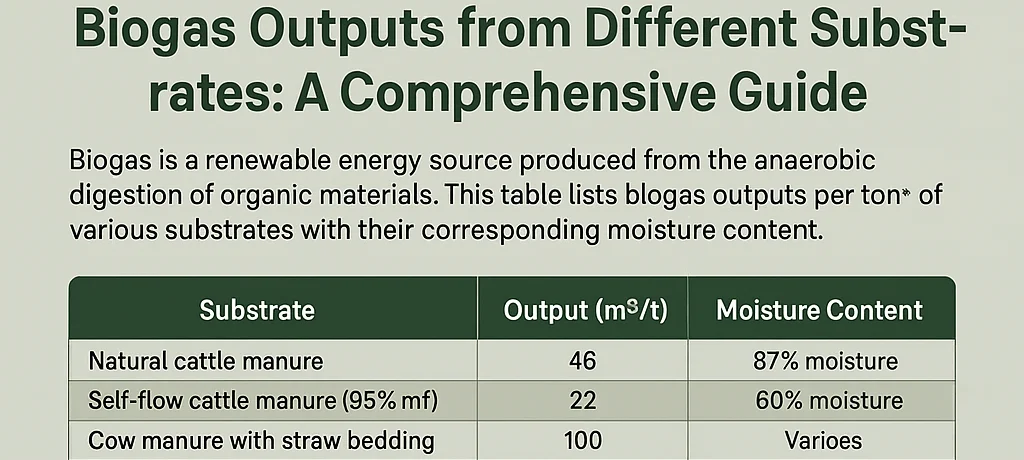
Biogas Outputs from Different Substrates: A Comprehensive Guide
Introduction Biogas is a renewable source of energy generated from the anaerobic digestion of organic materials. The quantity of biogas produced depends greatly on the type of substrate, its moisture content, and composition. Understanding the potential yields of different feedstocks is essential for designing efficient biogas plants and maximizing energy recovery. Below is a detailed […]
Continue reading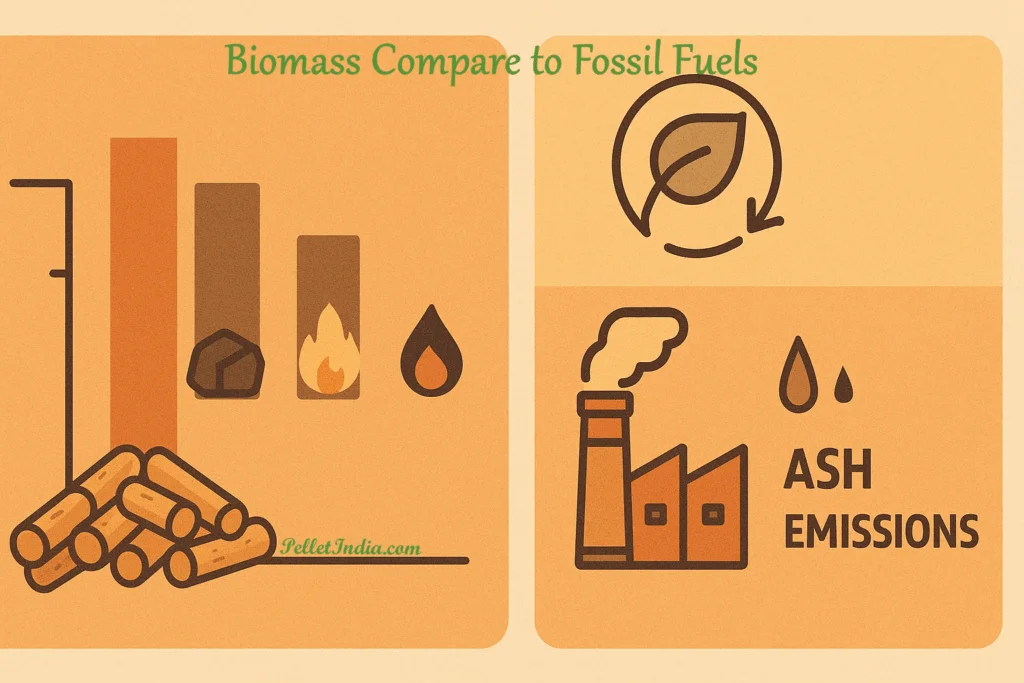
🔥 How Does Biomass Compare to Fossil Fuels in Heating Efficiency?
Biomass and fossil fuels are both widely used for heating, but their efficiency, environmental impact, and sustainability differ significantly. Let’s break down the key comparison: 🔹 1. Heating Efficiency Comparison Fuel Type Heating Efficiency (%) Typical Application Biomass Pellets 70–90% (modern systems) Boilers, stoves, power plants Coal 60–75% Power generation, industrial Natural Gas 85–95% Domestic […]
Continue reading🔥♻️ How Can Waste Clothes Be Transformed into High-Energy Biomass Pellets for Sustainable Fuel & Industrial Applications? 👕🌱⚙️
🌍 Description: Recycling waste clothes into biomass pellets helps reduce landfill waste, lower carbon emissions, and create sustainable fuel for industries. The process involves sorting, shredding, drying, grinding, pelletizing, and cooling before storage and use in power plants, boilers, and kilns. 🧐 Where to Find Raw Materials for Waste Clothes Recycling? 🔎 Sourcing waste textiles […]
Continue reading
👉 How can biomass pellets help India achieve 35 GW renewable power generation while reducing 205 Mt CO2 annually and creating 200,000+ jobs?
🔥 Key Points on Biomass Energy in India (with Figures & INR Costs) 🔥 1️⃣ Surplus Biomass in India 🇮🇳 2️⃣ Cost-Effective Energy 💰 3️⃣ Carbon Reduction Potential 🌍 4️⃣ Employment Generation 👷♂️ 🌾 5️⃣ Types of Residue for Biomass Pellet Production Crop Residue Surplus Availability (Mt) Primary Uses Rice Straw & Husk 221.8 Mt […]
Continue reading
Detailed list of various Biomass materials with their Lignin content percentages:
1. Woody Biomass 2. Agricultural Residues 3. Sugar Industry Residues 4. Herbaceous Materials 5. Oilseed Residues 6. Forestry Residues 7. Fruit and Nut Residues 8. Algae and Aquatic Biomass 9. Urban and Industrial Biomass Key Notes:
Continue reading